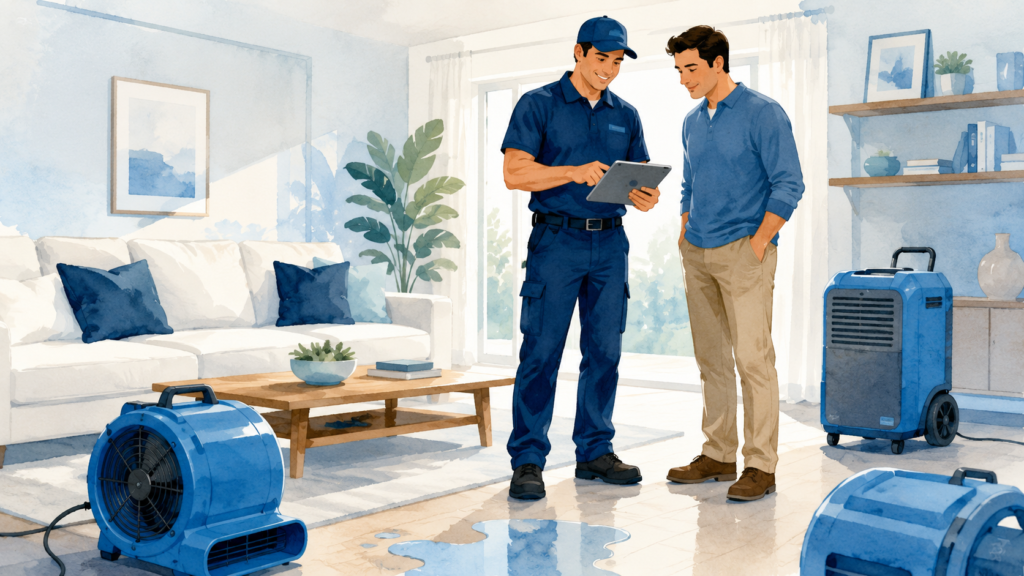
You come home to a soaked hallway, or wake up to a wet ceiling, and one of the first things a restoration pro will do is figure out what kind of water you’re dealing with. Not how much. What kind. It sounds like a small detail when you’re standing in the mess, but it quietly shapes almost everything that happens next.
That water gets sorted into one of three groups. The water damage categories describe how clean or contaminated it is, based on where it came from and what it has touched. A clean supply line leak is a very different situation from a sewage backup, even if the puddle on your floor looks about the same. Knowing the difference helps you understand what can be saved and how your insurance claim is likely to go. Here’s a plain walk through all three, plus the part most homeowners miss: clean water doesn’t stay clean for long.
What the water damage categories actually mean
Restoration pros follow an industry standard, often called the IICRC S500, that sorts water losses by how contaminated the water is. That contamination level is the category, judged by the source the water came from and what it picked up moving through your home. So it isn’t just about the pipe that failed. Clean water can pick up dirt and bacteria as it spreads and sits, and the longer it sits the worse it gets. There are three categories, numbered 1 to 3, and the number climbs as the water gets dirtier and more dangerous. Let’s take them one at a time.
Category 1: clean water
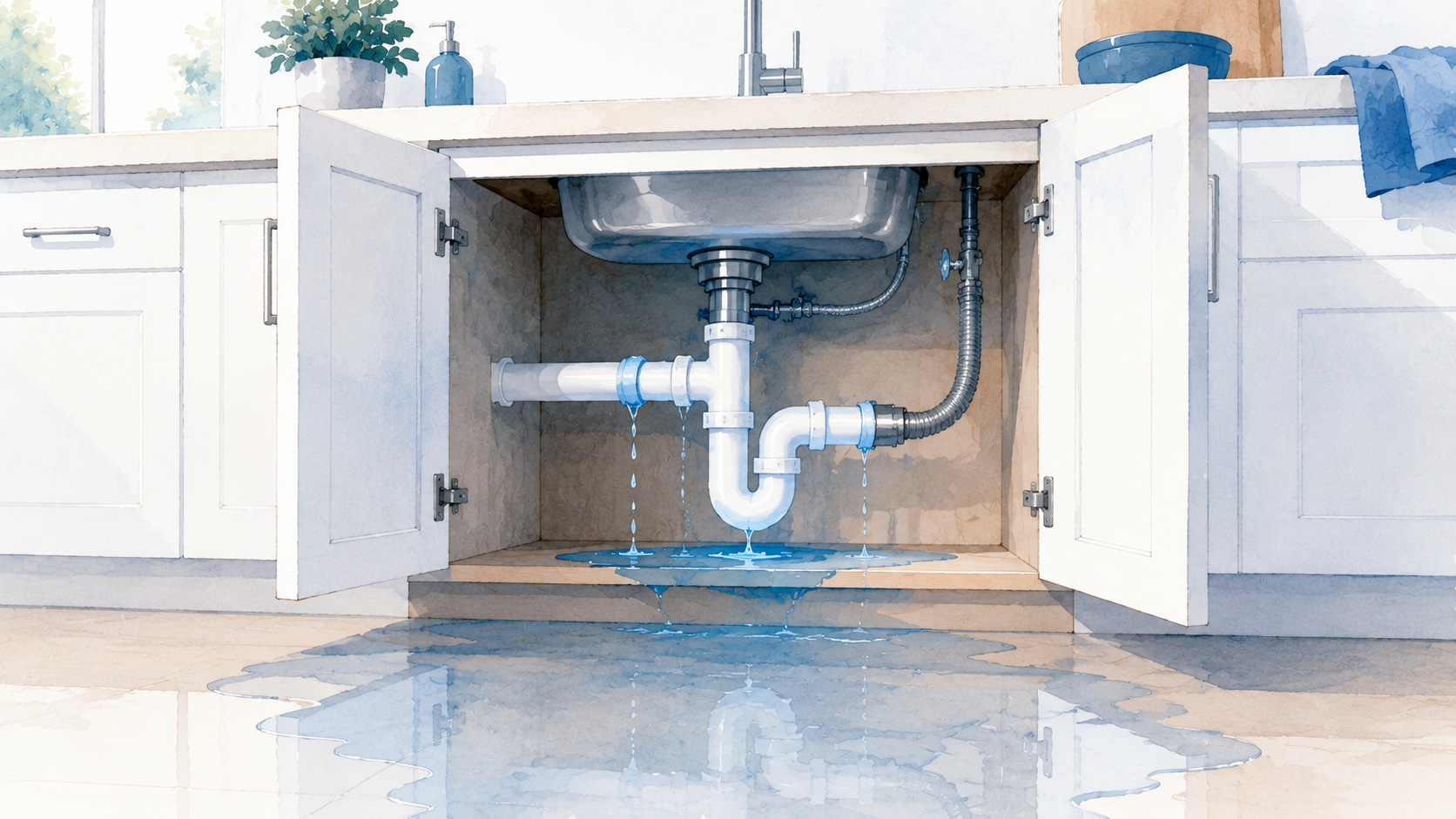
Category 1 is clean water from a sanitary source. Think a broken supply line under the sink, a leaking faucet, an ice maker line, a burst water heater on the supply side, or a clean tub or sink that overflowed. When it first escapes, this water is about as safe as what comes out of your tap.
At this stage the health risk is low, and you have the best odds of saving materials like drywall, carpet, and baseboards if drying starts fast. But category 1 does not stay category 1. Once clean water spreads across a dirty floor, wicks into walls, or just sits in a warm room, it starts picking up contamination. We’ll come back to that clock, because it’s the most important thing to understand about clean water.
Category 2: gray water
Category 2 is usually called gray water, and it carries a meaningful amount of contamination. It won’t put you in the hospital from a splash, but it can make you sick if you swallow it or let it sit against your skin, and it needs to be handled with more care than clean water.
Common sources are a dishwasher discharge, a washing machine overflow, a toilet overflow that’s only urine and water with no solids, or a sump pump that pushed up dirty water. With gray water, some porous materials that soaked it up may not be worth saving, and cleaning has to include disinfecting. It’s the middle ground: not a full biohazard, but not something to wade through in bare feet either.
Category 3: black water
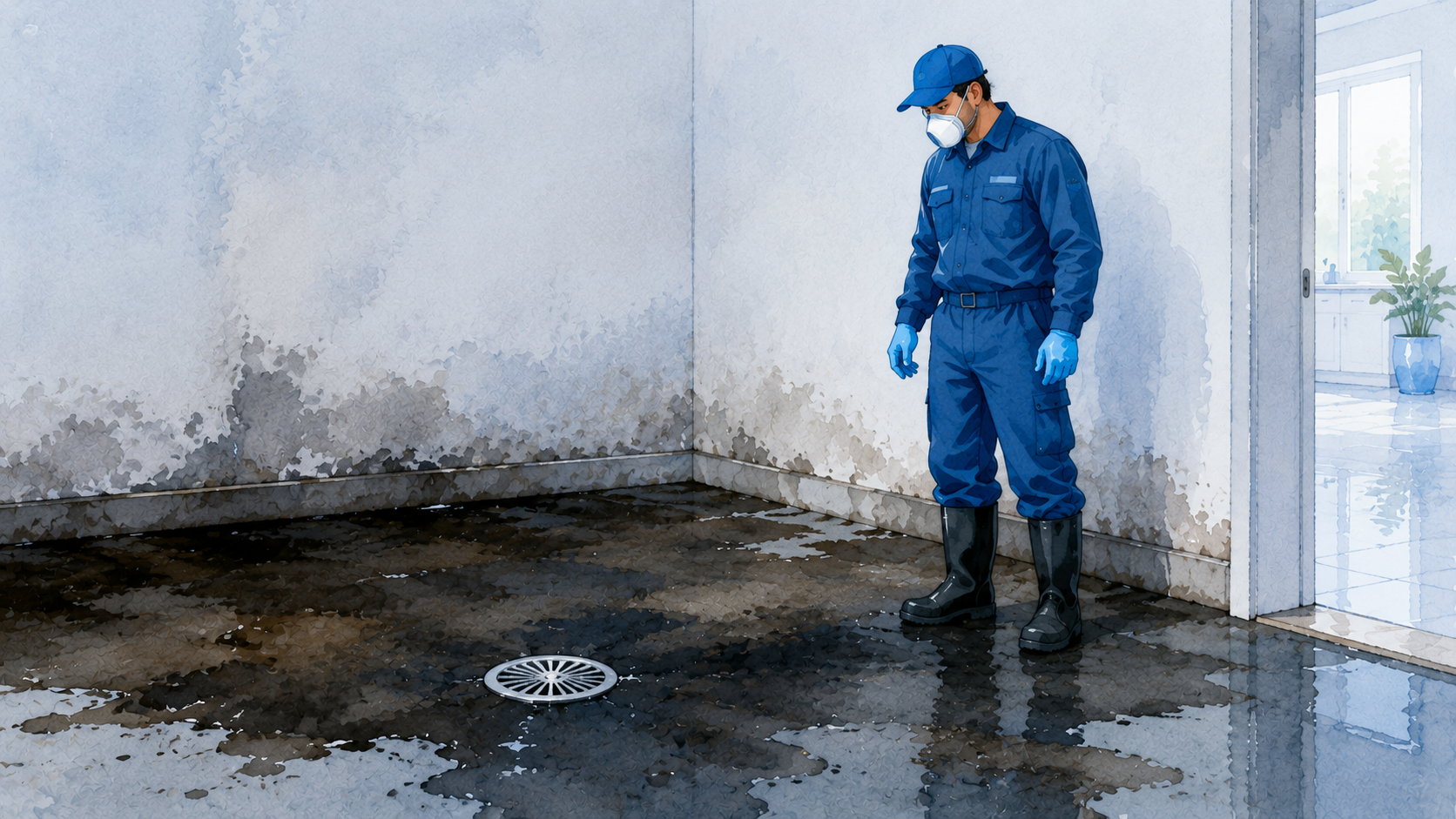
Category 3 is black water, and it’s the one to take most seriously. This water is grossly contaminated and can carry bacteria, viruses, and other things that cause real illness. Contact with category 3 water is a genuine health risk, so this is a stay back and call a pro situation, not a mop and bucket one.
The classic sources are a sewage backup, a toilet overflow that contains solids, and floodwater from outside, like a river, a storm surge, or ground flooding. Any water that has touched sewage or soaked in long enough to grow heavy bacteria is treated as category 3.
Because of the health risk, black water cleanup means proper protective gear, removal of the porous materials that touched it, and thorough disinfection. Carpet, pad, and often the lower drywall usually have to go. This is exactly the kind of job our sewage cleanup pros are set up to handle safely, and it’s not one to take on yourself.
Why clean water doesn’t stay clean
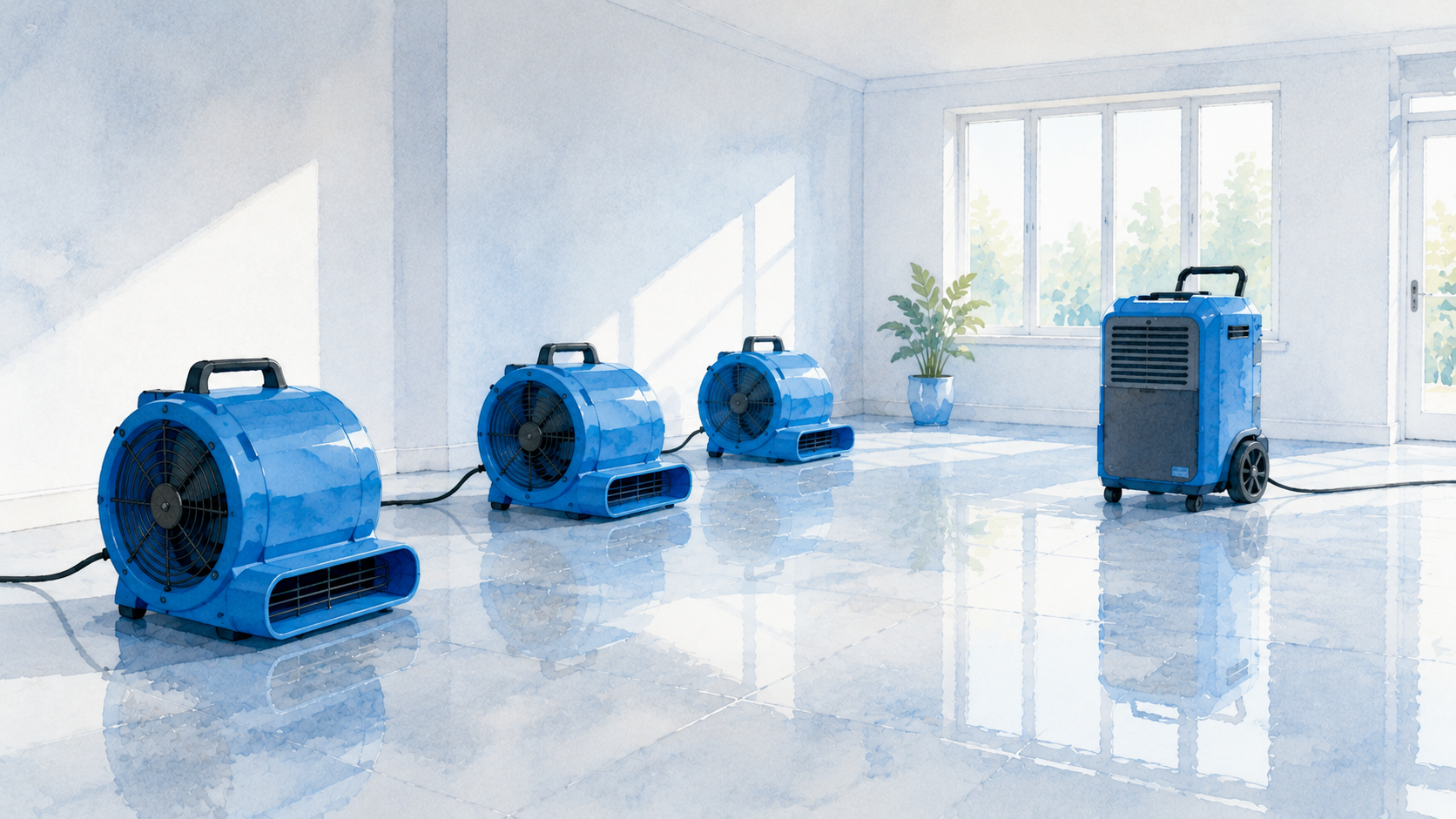
This is the part that surprises people. A category isn’t frozen at the moment the leak happens. It gets worse over time if the water isn’t removed and the area isn’t dried. Clean category 1 water can degrade into category 2, and then category 3, as bacteria grow and it keeps touching contaminated surfaces. A common rule of thumb pros use is that clean water can slip to gray water within about 48 to 72 hours if it just sits. Warmth, humidity, and a dirty environment speed that up.
That’s why speed matters so much. A same day response can keep a loss at category 1, where more of your home is salvageable and the cleanup is simpler. Wait a few days and that same spill can turn into a bigger, dirtier, more expensive job. If you want the full first day playbook, our guide on what to do after water damage walks through it step by step.
Why your category matters for cleanup and insurance
The water damage categories quietly drive most of the big decisions. The category sets how much protective gear the crew wears, what materials can be dried and saved versus torn out, how much disinfection is needed, and how the whole job gets documented.
It matters for your wallet too. A category 3 loss usually means more demolition and replacement, so it tends to cost more than a clean water job of the same size, and your insurer will want the category noted because it affects the scope of the claim.
Here’s one honest note: homeowners policies often cover sudden and accidental water damage, but coverage depends on your policy, the cause, and your insurer, and it isn’t guaranteed. Causes like outside flooding and slow long term leaks are commonly excluded or need separate coverage. Always confirm the details with your own insurer.
Common mistakes homeowners make
Treating every leak like it’s clean. People wade into standing water in socks or move soaked boxes with bare hands. If you can’t be sure of the source, treat the water as if it could make you sick and keep people and pets away.
Waiting to start drying. The single biggest driver of a worse category is time. Every hour a clean spill sits, its odds of turning gray go up.
Running fans through contaminated water. Blowing air across category 2 or 3 water can spread bacteria and odor around your home. Removal and disinfection come first.
Tossing everything before documenting. Throw out ruined carpet and drywall before you photograph them and you can weaken your insurance claim. Take pictures first, then remove.
A real world example
Take a homeowner we’ll call Priya. A supply line behind her washing machine let go on a Friday while she was at work, and by the time she got home clean water had spread across the laundry room and into the hallway carpet.
At that moment it was category 1, clean and mostly salvageable. She figured she’d deal with it after the weekend and set a couple of towels down. By Monday the carpet smelled sour, the pad underneath was slimy, and the water had crossed into gray water territory. A quick dry out turned into carpet and pad removal plus disinfection. Priya didn’t do anything reckless. It’s just that the clock does the damage, and a same day call would have kept the job small.
What to do next
If you’re looking at water right now, stay safe first. If it might be contaminated or is near outlets and electrical panels, keep back. Stop the source if you can reach a shutoff safely, and keep people and pets out of the affected area.
Then get the water out and drying started fast, since that’s what keeps a clean loss from turning dirty. Photograph everything before you remove or throw anything away. And when the category is uncertain, or you’re dealing with sewage or floodwater, bring in a pro rather than guessing. Call for fast 24/7 help or request help through our form and we’ll connect you with a local pro.
Key takeaways
The three water damage categories sort a loss by contamination: category 1 is clean water, category 2 is gray water that can make you sick, and category 3 is black water that’s a real health hazard. Clean water doesn’t stay clean, though. Left sitting, category 1 can slide to category 2 within roughly 48 to 72 hours, which is why fast removal and drying protect both your home and your health. The category also shapes what can be saved, how the cleanup is done, and how your insurance claim is documented.
Frequently asked questions
What are the three categories of water damage?
Category 1 is clean water from a sanitary source like a supply line. Category 2, or gray water, carries contamination that can cause illness, from sources like a dishwasher or washing machine overflow. Category 3, or black water, is grossly contaminated, like sewage or outside floodwater, and it’s a serious health risk.
How fast does clean water become contaminated?
Pretty fast. Clean category 1 water can degrade into category 2 within about 48 to 72 hours if it isn’t removed and dried. Heat, humidity, and dirty surfaces speed it up, so a same day response really does matter.
Is category 3 water dangerous to touch?
Yes. Category 3 black water can carry bacteria, viruses, and other harmful things, so you shouldn’t touch it or walk through it without proper protection. Keep people and pets away and call a professional to handle it safely.
What’s the difference between a category and a class?
Category is how contaminated the water is, from 1 to 3. Class is how much water there is and how hard it’ll be to dry, from 1 to 4. Any category can pair with any class.
Does insurance cover all categories the same way?
Not necessarily. Coverage depends on the cause and your policy, not the category by itself. Sudden accidental leaks are often covered, while outside flooding and slow long term leaks are commonly excluded or need separate coverage. Confirm the specifics with your insurer.
A quick note about us
WaterDamageOnCall is a water damage information and lead request service. We’re not a licensed restoration contractor, and this article is general information, not professional restoration, insurance, or health advice. Every home and situation is different, so a licensed local pro should assess yours. If you’re dealing with water damage right now, call for fast 24/7 help or request help through our form and we’ll connect you with someone who can help.