
If you’re staring at a soaked ceiling or a wet floor and wondering whether you’ll be footing this bill yourself, here’s the short answer.
Does homeowners insurance cover water damage? Often, yes, but it depends entirely on how the water got there.
Most standard policies commonly pay for water damage that’s sudden and accidental, like a pipe that bursts overnight or an appliance that fails without warning. What they usually won’t touch is flooding from outside, sewer backups, or slow leaks that quietly build up over months. Once you know which bucket your situation falls into, you’ll have a much clearer picture of what happens next.
The simple rule: sudden and accidental versus gradual
Almost every coverage question comes down to one idea. Insurers tend to cover damage that happens fast and by accident, and they tend to deny damage that builds up slowly because a problem went ignored.
A pipe that splits open at 2am is sudden and accidental. A faucet that’s been dripping behind the wall for a year is gradual, and insurers often call that wear and tear, which is the homeowner’s responsibility to maintain. That single distinction decides most claims, so it helps to know where your damage lands before you pick up the phone.
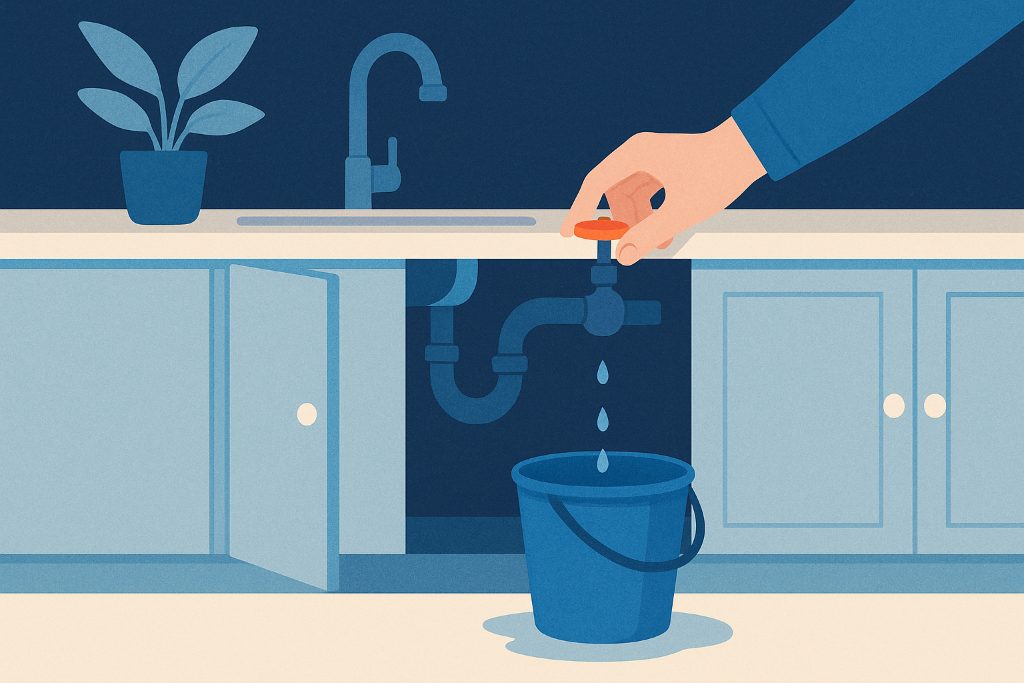
When does homeowners insurance cover water damage?
When the water comes from inside your home and the cause was sudden, a standard policy commonly steps in. These are the situations most homeowners are relieved to learn are usually covered:
- A burst or frozen pipe that lets go without warning
- A washing machine, dishwasher, or water heater that suddenly fails or overflows
- A pipe or supply line that breaks behind a wall or under a floor
- Water from putting out a fire
- Storm damage that lets rain in, such as a tree branch punching a hole in your roof
In many of these cases, your policy helps pay to dry the structure, repair the damage, and sometimes replace ruined belongings. Coverage details vary by policy and insurer, so the specifics of your own situation always come down to your policy language and your adjuster’s review. Still, if the cause was fast and unexpected, you’re usually in a good spot to file.
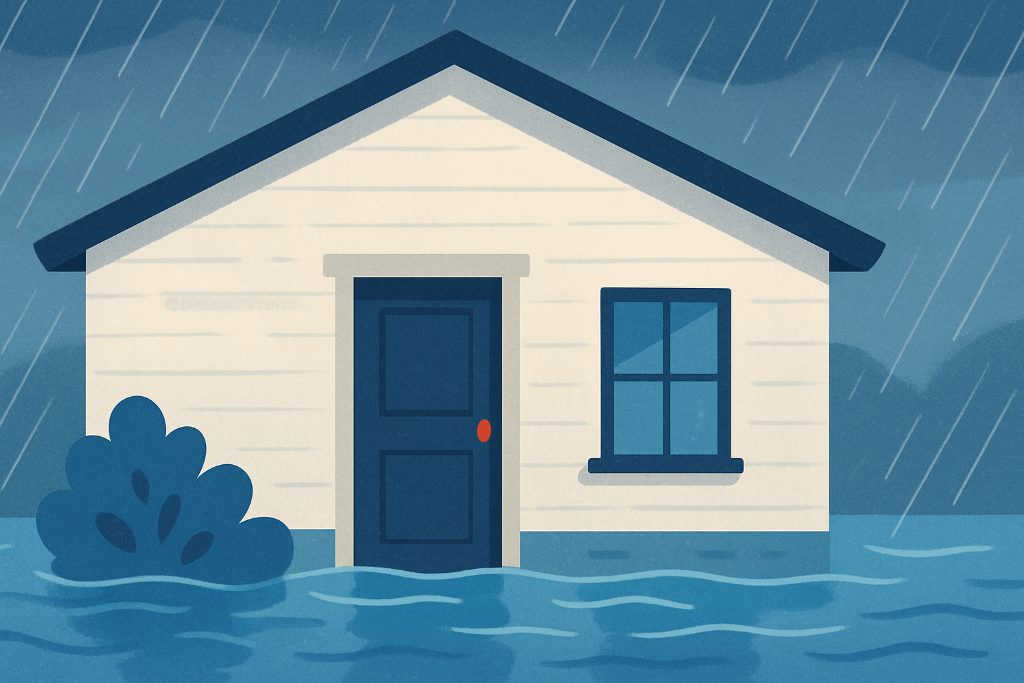
What your policy usually won’t cover
This is where a lot of homeowners get an unwelcome surprise. Several common types of water damage sit outside a standard policy, and knowing them ahead of time saves you a hard conversation later.
Flooding from outside
Water that rises up from the ground and enters your home, whether from heavy rain, an overflowing river, or storm surge, is considered a flood. Standard homeowners insurance does not cover flood damage. For that you need a separate flood policy, often through the National Flood Insurance Program or a private flood insurer. If you live anywhere that water can pool or rise, this gap is worth closing before the next big storm.
Sewer and drain backups
When water and waste push back up through your drains or toilet, that’s a sewer backup, and it’s usually excluded too. The good news is that many insurers sell a low cost sewer backup endorsement you can add to your policy. If your home has a basement or a sump pump, adding that coverage is one of the smartest small moves you can make.
Slow leaks and neglect
A leak you could have caught and fixed usually isn’t covered. If a slow drip rots a cabinet over months, or a poorly maintained roof finally lets water in, insurers often deny the claim as a maintenance issue. The message here is simple: small repairs done on time protect both your home and your future claims.
How your deductible and coverage limits fit in
Even when your damage is covered, your policy doesn’t hand you a blank check. You pay your deductible first, and the insurer covers the rest up to your policy limits. So if your deductible is high and the damage is minor, filing a claim may not be worth it.
It’s worth weighing the repair cost against your deductible before you file. For small damage, paying out of pocket can sometimes make more sense and keeps your claims history clean. For serious damage, filing is almost always the right call. When you’re unsure, a quick conversation with your agent about how a claim might affect your future premium is time well spent.
A real world example
Picture a homeowner named Dana who wakes up to a hissing sound and finds water spraying from a burst supply line under the kitchen sink. The floor is already soaked and it’s creeping toward the living room. She shuts off the water at the main valve, snaps photos and a short video of everything before she cleans up, then lays down towels and pulls the rug back.
Because the break was sudden and accidental, her claim is the kind insurers commonly cover. She calls her insurer that morning, gives her policy number, and sends the photos. Since she acted fast and documented everything, the process goes smoothly. Now picture the opposite: if that same supply line had been dripping slowly for a year and she’d ignored the growing water stain, the insurer might have called it neglect and denied it. Same pipe, very different outcome, and the difference was time and attention.
Common mistakes that get water damage claims denied
Plenty of covered claims still get reduced or turned down, usually for reasons that are avoidable. Watch out for these:
- Cleaning up before you document. If you dry and toss everything before taking photos, you may have no proof of what happened.
- Waiting too long to act. Most policies include a duty to mitigate, meaning you’re expected to take reasonable steps to stop the damage from getting worse. Sit on it, and the insurer can reduce your payout.
- Assuming a flood is covered. If the water came from outside and rose from the ground, your standard policy likely won’t apply.
- Ignoring a slow leak. Damage that built up over time is often treated as a maintenance problem, not a covered loss.
- Throwing away receipts. Keep records of repairs, cleanup costs, and any professional work, because your insurer will want them.

What to do next to protect your claim
If you’re in the middle of it right now, a calm order of operations makes a real difference to both your home and your claim. Move through these steps as quickly as you safely can:
- Stop the water. Shut off the supply at the fixture or the main valve if the source is inside.
- Stay safe. If water is anywhere near outlets or the electrical panel, keep clear and cut the power only if you can do it safely.
- Document everything. Photograph and film every affected room and item before you move or clean anything.
- Start drying. Pull up soaked items, open windows, and get air moving. Remember, mold can begin within about 24 to 48 hours.
- Call your insurer. Report the loss, ask what your policy covers, and keep a log of every call and every step you take.
If the damage is more than a quick mop up, getting a professional out fast protects both your home and your claim. Water spreads into drywall, subfloors, and framing quicker than most people expect, and a pro can extract it, dry the structure properly, and give you the documentation your insurer wants. You can request fast help through our quote form any time, or see how the process works on our services page. For the very first moves in an emergency, our guide on what to do in the first 24 hours after water damage walks you through it, and if a pipe is the culprit, exactly what to do about a burst pipe covers that too.
Key takeaways
- Homeowners insurance often covers water damage that’s sudden and accidental, like a burst pipe or a failed appliance.
- It usually won’t cover flooding from outside, sewer backups, or slow leaks caused by neglect.
- Flood coverage and sewer backup coverage are bought separately, and both are worth considering.
- Document everything before you clean up, and act quickly to limit the damage.
- Coverage always depends on your specific policy, so confirm the details with your insurer.
Frequently asked questions
Does homeowners insurance cover water damage from a leaking roof?
It depends on the cause. If a storm suddenly damages your roof and rain gets in, it’s often covered. If the roof leaked because it was old or poorly maintained, insurers commonly deny it as a maintenance issue.
Is mold from water damage covered?
Sometimes. If the mold grew from a sudden covered loss and you acted quickly, your policy may help. If it grew from a leak you ignored, it’s usually excluded. Many policies also cap how much they’ll pay for mold, so check your limits.
Will filing a water damage claim raise my rates?
It can. A single claim doesn’t guarantee a rate increase, but a history of claims may affect your premium over time. For small losses near your deductible, it’s worth weighing whether to file at all.
How long do I have to file a water damage claim?
Report it as soon as you reasonably can. Most policies expect prompt notice, and waiting can hurt your claim, especially if the delay let the damage spread. When in doubt, call your insurer the same day you discover the problem.
What if my claim gets denied?
You can ask your insurer for the denial in writing, review your policy, and appeal with more documentation if you believe the loss should be covered. A public adjuster or your state insurance department can also help you understand your options.
WaterDamageOnCall is a water damage information and lead request service. We’re not a licensed restoration contractor, and this article is general information, not professional restoration, insurance, or health advice. Insurance coverage varies by policy, insurer, and situation, so always confirm the details with your own insurer, and have a licensed local pro assess your specific home. You can learn more about which perils home insurance covers from the Insurance Information Institute.
Dealing with water damage is stressful enough without fighting your insurance alone. If you need help right now, call for fast 24/7 support or request help through our quote form, and we’ll connect you with a local pro who can dry your home out and document the damage properly.